A massive dust storm, or haboob, swept across the Sahara Desert from western Algeria into Mauritania, Morocco, Western Sahara and the Canary Islands on March 30. The dust stretched for more than 1,000 miles.
As meteorologists observed the dust storm from space via weather satellites, social media users captured the incoming dust storm on camera. One video shows a thick wall of dust and sand moving toward a resident of the town of Tindouf, near the Mauritanian, Western Saharan and Moroccan borders.
How does the dust affect tropical storms in the Atlantic?
While this storm didn't make it too far off the coast, significant amounts of dust can drift westward from Africa across the Atlantic beginning in May. This can inhibit tropical storm formation, or the strengthening of an existing system, because the dusty air has about 50% less moisture than the typical tropical atmosphere.
Strong winds in the dust layer can also substantially increase the vertical wind shear in and around the storm environment, potentially disrupting any storm that forms.
latest_posts
- 1
 Trump said affordability is a ‘hoax’ in his Pennsylvania speech. What do the latest numbers show?
 - 2Should you get an RSV vaccine this fall? What to know and where to get a shot
- 3Iranian missile hit on Ne'ot Hovav factory leads to fear of chemical leakage
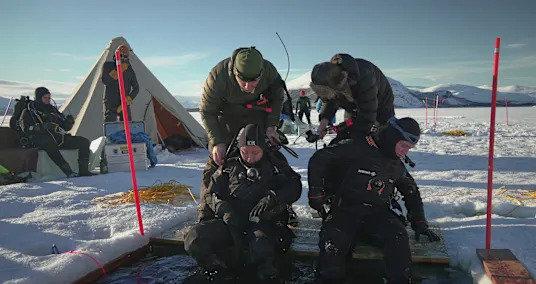
- 4Scientists train to dive beneath polar ice as climate change warms the Arctic and Antarctica
- 5UPM Adhesive Materials plans new facility near New Delhi, India




- Choosing Moving Styles for Your Restroom Redesign
- Tributes pour in for MIT professor Nuno Loureiro amid unresolved shooting case
- Great DSLR Cameras for Photography Devotees
- Russia Creates New Military Branch Dedicated To Drone Warfare
- The most effective method to Involve Handshakes for Compromise and Compromise
- What's an atmospheric river? AP explains the weather phenomenon
- Involved Vehicles for Seniors: Track down the Best Picks for Solace and Dependability
- Rubble, mud and hair: How to rebuild a home in Gaza
- The most effective method to Apply Antiquated Ways of thinking in Current Brain science Practices